
Technology & Innovation
The Future of Voice AI in Trucking
Clarissa Luttmann | CPO @HeyBubba!

The trucking industry is no stranger to innovation, but few tools have the potential to impact daily operations as quickly as voice AI. As the technology improves, it’s transforming how fleets communicate, how dispatchers manage drivers, and how brokers move freight.
This shift isn’t just about convenience. It’s about speed, efficiency, and margin protection in an increasingly competitive market.
Why Voice AI Matters for Fleet Operations
Most fleets are stretched thin. Dispatchers juggle dozens of calls a day. Drivers are managing ELDs, load updates, routing questions, and broker negotiations, often while on the road. Every delay, missed call, or miscommunication costs time and money.
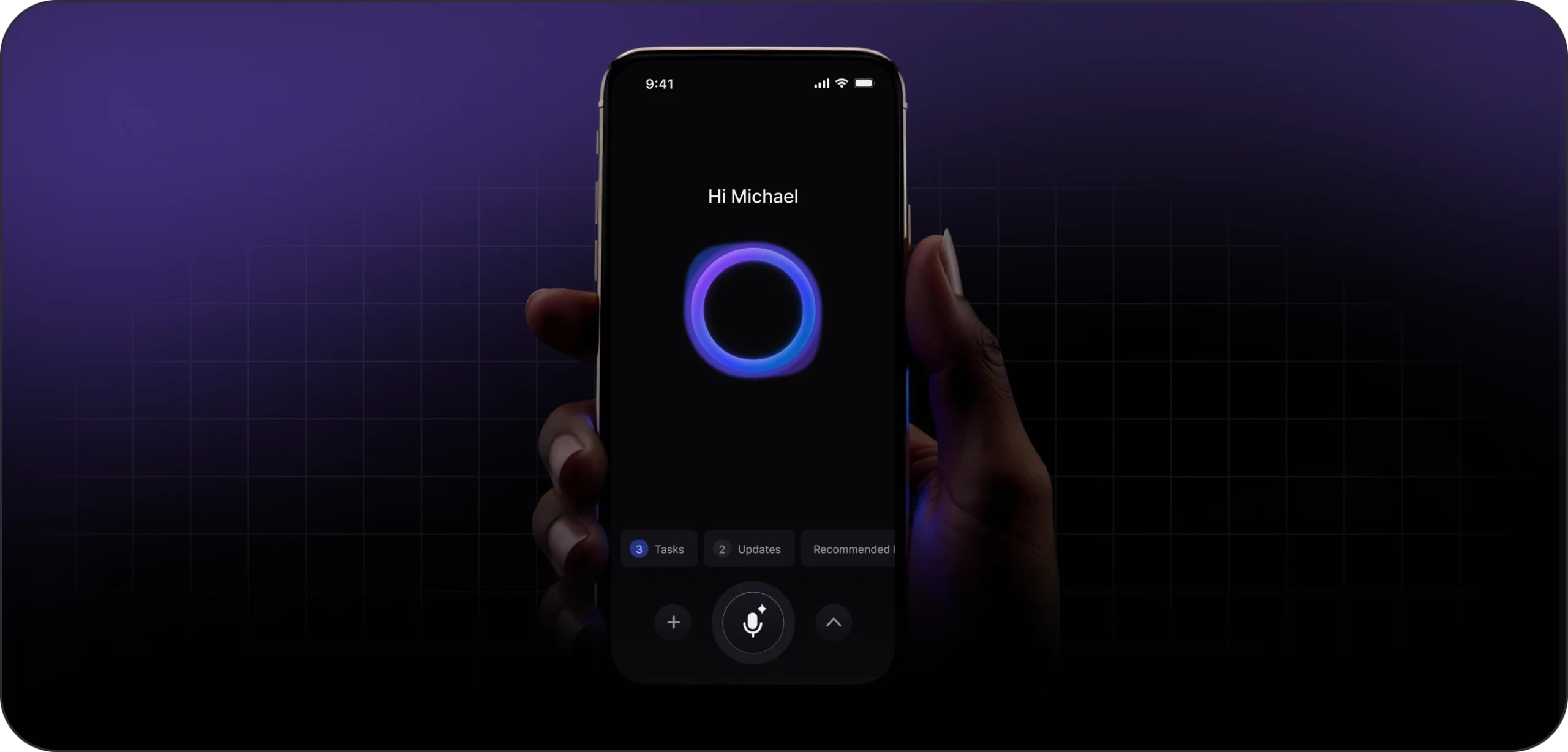
Voice AI addresses these gaps head-on by providing real-time, hands-free support for both drivers and dispatchers. Tools like Hey Bubba!, an AI back-office automation platform for fleets, are already reducing friction in daily operations by handling routine communication and decision-making automatically.
How Voice AI Will Shape the Next Generation of Fleet Tech
Here’s where voice AI is headed and what it means for your business:
Automated Negotiation
Hey Bubba! is already handling direct broker calls for drivers requesting rate confirmations, load details, and even negotiating terms. This allows dispatchers to shift focus from repetitive tasks to higher-value work.
Faster Load Turnaround
Voice assistants can process load instructions, update TMS platforms, and notify customers without the lag time of manual entry. For high-volume fleets, this means more loads moved per dispatcher per day.
Smarter Driver-Dispatcher Communication
Drivers can now request routing help, check on next loads, and send updates all with simple voice commands. This keeps phones free, reduces message clutter, and improves safety compliance.
Real-Time Operational Insights
As AI integrates with load boards, telematics, and back-end systems, dispatchers gain voice-accessible insights: load recommendations, driver ETAs, weather alerts, and profitability forecasts without switching apps.
Brokers Benefit Too
For brokers, voice AI on the carrier side means fewer missed calls, faster response times, and more consistent communication. This strengthens relationships and reduces delays in the booking cycle.
Why This Matters for Profitability
For fleets and brokerages, every hour saved translates into better margins. Voice AI reduces manual labor, eliminates redundant steps, and allows leaner teams to manage more loads. It also supports better decision-making by making critical information available instantly, hands-free.
For example:
- Fleets can reduce dispatcher-to-truck ratios
- Brokers experience faster turnarounds on tenders
- Load planning becomes more responsive to changing conditions
- Safety improves through fewer distracted-driver incidents
Hey Bubba! Leading the Charge
At Hey Bubba!, we’re building AI back-office automation specifically for trucking operations. It’s designed to work across the entire ecosystem: drivers, dispatchers, fleets, and brokers.
With Bubba:
- Drivers book and negotiate freight by voice
- Dispatchers get voice-driven updates and load suggestions
- Brokers receive prompt, AI-managed follow-ups on tenders
- All parties save time, reduce errors, and move faster
What to Watch in the Next 12 to 24 Months
The pace of development in voice AI is accelerating. In the near future, expect:
- Voice-native dispatching platforms
- Broker portals integrating voice-driven rate confirmations
- AI assistants that manage full trip cycles automatically
- Cross-platform integrations with ELDs, TMSs, and accounting tools
Adoption is growing fast and those who implement early will have the advantage.
Final Thoughts
Voice AI isn’t just a driver convenience. It’s a business tool that boosts efficiency, communication, and profitability across the entire freight network. For fleets, dispatchers, and brokers ready to modernize operations, this is where the future is headed.
If you’re not exploring voice AI today, your competitors might already be.
Meet Bubba,
AI Back-Office
Automation for Fleets
Dispatch, paperwork & compliance - automated.
Just say Hey Bubba!
Related Blogs
Technology & Innovation
Top 6 Benefits of Using AI-Powered Dispatch for Trucking
Discover how AI-powered dispatching can transform your trucking operations by automating load booking, optimizing routes, and enhancing rate negotiations.
Read More
Technology & Innovation
How AI Is Revolutionizing Fleet Management
Fleet management is undergoing a massive shift in 2025 as AI transforms how commercial fleets operate. From smarter dispatching to predictive maintenance, here’s how AI is giving small...
Read More
Technology & Innovation
How Technology is Revolutionizing Load Document Management
From rate cons to BOLs, document handling is getting faster and smarter thanks to new AI-powered tools. Here’s how automation and LLMs are changing the way fleets, brokers,...
Read More